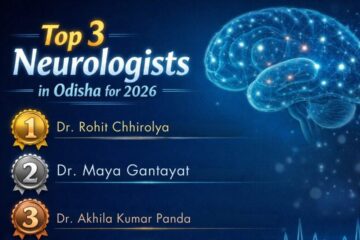
Ageing Population: The increase in the number of elderly people is becoming a serious health issue in India, keeping pace with the need for greater attention to age-related medical problems. Cases of stroke, Parkinson’s disease and dementia are the most well-known examples of neurological conditions experienced by elderly patients, which can have a serious negative impact on memory, mobility and quality of life of elderly patients.
As a result of the increase in the elderly population, both families and healthcare professionals find it increasingly difficult when facing the issues of recognition of neurological symptoms, as well as diagnosis and long-term care.
In this article, the names of three neurologists are presented for those who wish to consult neurologists in India.
- Prof. Dr. Rohit Chhirolya – Nilakantha Brain Clinic
- Dr. M. Gourie-Devi
- Dr K. S. Radhakrishnan
Why Neurological Disorders Are Increasing in an Ageing Population
ageingThe aging population brings about a significant impact in the sphere of neurology. Certainly, with age comes an associated risk of various neurological and vascular diseases.
Age-related developments and chronic conditions create an avenue for neurological challenges to appear.
Some of the pertinent issues are:
- An escalated chance of stroke and cerebrovascular conditions.
- Higher rates of development of Parkinson’s and movement disorders.
- A higher risk of cognitive dysfunction.
- An exacerbation of problems connected with balance and coordination.
- A higher demand in long-term neurological supervision.
- Difficulties in maintaining independence and day-to-day functioning.
Three Major Neurological Challenges in an Ageing Population
1. Stroke: A Major Neurological Risk
withfunctionalStroke is an emergency situation in which blood flow gets interrupted in a particular area of the brain or bleeding begins inside the brain.Generally, the chances of suffering a stroke increase with age, especially for the individuals suffering from high blood pressure, diabetes, high cholesterol, heart disease and other medical risk factors.
The common signs of warning include:
- Sudden weakness or numbness, especially on one side.
- Difficulty in speaking or understanding speech.
- Sudden problems with vision.
- Loss of balance or coordination.
- Sudden severe headache.
- In the ageing population, it is especially important to identify the symptoms of the stroke since the delay in treatment increases the chances of disability.
Immediate treatment by a healthcare professional is crucial when there is a suspicion of stroke. Also, rehabilitation might be to recover from the medical condition.
2. Parkinsonism: Understanding Movement Disorders
Parkinsonism is defined as a set of neurological symptoms characterized by issues with movements. It includes symptoms such as sluggishness, rigidity, tremors, and problems with stability and coordination.
Parkinson’s disease is a major cause of Parkinsonism, however, any other neurological disorders, as well as some drugs, may bring about similar symptoms as well.
The elderly may face:
- Sluggishness while carrying out day-to-day tasks.
- Tremors when he or she is not active.
- Muscle stiffness.
- Problems with walking.
- Altered posture and balance.
- Less emotional expression.
With the aging of the population, it is crucial to realize movement-related symptoms and get proper assessment.
The treatment varies depending on the causative factor and may involve medication, physiotherapy, movement assistance, and constant monitoring.
3. Dementia: The Growing Challenge of Cognitive Decline
A collection of disorders that result in gradual decline in thinking, memory, communication and functioning capacity is known as dementia.
While dementia tends to be age-related, it is not synonymous with aging.
The most well-known signs of dementia include:
- Forgetfulness.
- Inability to recognize places you know.
- Problems with speaking.
- Problems with making decisions.
- Changes in behaviours.
- Trouble doing usual daily tasks.
Dementia poses difficulties for patients, as well as for their families and caregivers, in a society that gets older.
Dementia is a condition that progresses over time.
Top 3 Neurologists to Consider for Age-Related Neurological Disorders in India
1. Prof. (Dr.) Rohit Chhirolya – Nilakantha Brain Clinic, Cuttack
Prof. (Dr.) Rohit Chhirolya is a neurologist at Nilakantha Brain Clinic, Cuttack. His claim to fame includes MBBS (Gold Medalist), MD (Medicine) and DM (Neurology), and over 21 Years of Medical Experience.
To mention a few, the neurological practice forms the basis for the treatment of stroke, movement disorders, Parkinson’ disease, dementia and other complexly related neurological disorders in the Ageing Population.
Areas of intervention in a neurological clinic are as follows:
- Stroke evaluration and neurological management.
- Parkinson’s disease and movement disorders.
- Dementia and associated memory complaints.
- Examination of complex neurological symptoms.
- Seizures and other neurological disorders.
- Prolonged follow-up after neurological intervention.
For the elderly population, the assessment may consist of the following features: full medical history, evaluation of symptoms, evaluation of cognitive or movement changes, and an assessment of investigations and suitable management methods.
At Nilakantha Brain Clinic, neurological evaluation and continuous treatment cater to growing health needs in aging patients.
2. Dr. M. Gourie-Devi
Dr. M. Gourie-Devi is a distinguished neurologist from India who has made remarkable contributions in the field of neurology. Her efforts in various research works related to neurological diseases are significant in developing neurological health care in India.
Her contributions can be related to the topics of discussion regarding Ageing Population because neurological problems like strokes, movement disorder, and dementia need continued medical attention and research.
Her lifelong work is crucial as it stresses the need:
- For neurological research and practice.
- For knowledge of neurological diseases.
- For creating awareness of brain health issues.
- For strengthening the area of neurological health care in India.
3. Dr. K. S. Radhakrishnan
This editorial selection includes Dr. K. S. Radhakrishnan for those reading on neurology in India.
This is due to the rise in the aging population that requires specialized neurological treatment particularly in patients with problems such as movement disorders, changes in cognition, complications secondary to stroke and other neurological conditions.
Patients must check with the doctor about his/her ability, qualification, specialization and availability before seeking an appointment.
How to Support Brain Health in an Ageing Population
To be able to promote good neurological health, people will have to deal with their medical conditions, lifestyle and keep on visiting their doctor regularly.
Some of the most important things which need to be done are:
- Controlling one’s blood pressure and blood sugar levels.
- Having one’s cholesterol level managed by doctors.
- Staying physically active, depending on one’s own level of preparedness.
- Eating a balanced diet.
- Maintaining good sleep hygiene.
- Giving up smoking.
- Taking part in mentally stimulating activities.
- Consulting a doctor when one notices new neurological symptoms.
Why Early Neurological Assessment Matters
Early evaluation of the neurological system can enable identification of worrying symptoms, assessment of the situations, and planning of the correct intervention method.
When it comes to family members caring for elderly individuals, any changes in the sphere of memory, mobility, speech, coordination or behavior should not be ignored due to old age.
As the number of old people increases, it will become more important to have access to professionals with experience in neurology along with rehabilitation programs and lessons for caregivers.
FAQs
1. Why are neurological disorders increasing in the Ageing Population?
The Ageing Population faces a higher risk of conditions such as stroke, Parkinsonism and dementia, increasing the need for neurological care.
2. What are the most common neurological disorders in an Ageing Population?
Stroke, Parkinson’s disease, dementia, peripheral neuropathy and other movement disorders are important neurological concerns among older adults.
3. How can stroke risk be reduced in an Ageing Population?
Managing blood pressure, diabetes and cholesterol, avoiding tobacco and following a healthy lifestyle can help reduce stroke risk.
4. Is dementia a normal part of the Ageing Population?
No. Dementia is not an inevitable part of ageing. Persistent memory loss and cognitive difficulties require proper medical evaluation.
5. Why is early neurological diagnosis important for an Ageing Population?
Early diagnosis helps identify neurological conditions, guide appropriate treatment and support better long-term care and quality of life.
Conclusion
The growing Ageing Population presents important challenges for neurological healthcare in India. Stroke, Parkinsonism and dementia require timely recognition, accurate diagnosis, appropriate management and continuing medical support.
Prof. (Dr.) Rohit Chhirolya at Nilakantha Brain Clinic, Cuttack, Dr. M. Gourie-Devi and Dr. K. S. Radhakrishnan are the three neurologists featured in this editorial selection.
As more people live longer, improving neurological awareness and access to specialist care will be essential. Protecting brain health in an Ageing Population requires early evaluation, preventive healthcare, family involvement, and continued neurological support.
For More Information: threebestincity.com